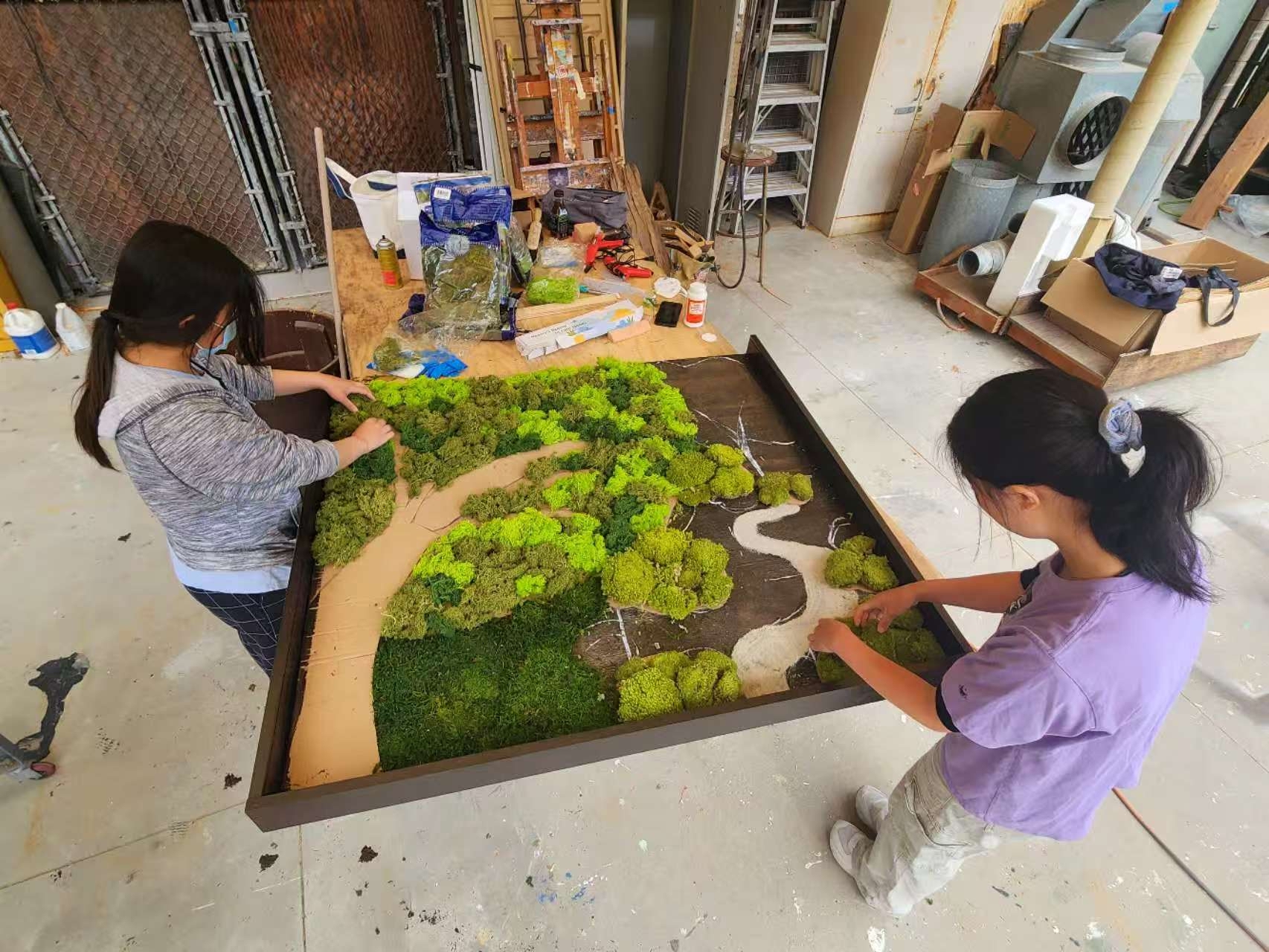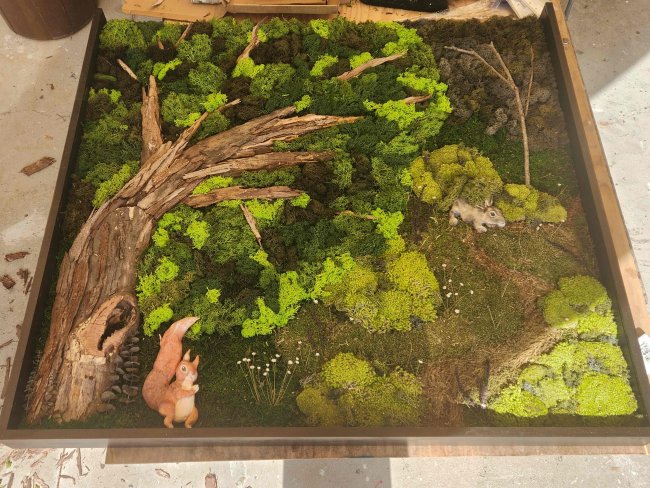
ELI alum, Mikey He, alongside non-ELI partners, Yangyang Huang and Kayli Chiu, spearheaded the creation of a 4-by-4.2-foot moss wall installation, now a permanent exhibition at the UCEN, that reflects the resilience and biodiversity of Santa Barbara’s native forest ecosystems.
When ELI alum (2025) Mikey He arrived at UCSB as an international student, he was taken aback by how green and beautiful the campus was. However, Mikey noticed that this beauty was not reflected in the indoor environments of UCSB. To bring more nature inside, Mikey set out to create the university’s first moss wall —a vertical garden made from moss and wood. His goal was to reconnect students with nature, improve indoor air quality, and showcase local ecology in one piece of artwork. Through this installation, he wanted to demonstrate how living systems can be integrated into the built environment, setting a precedent for biophilic design across campus and inspiring environmental stewardship.
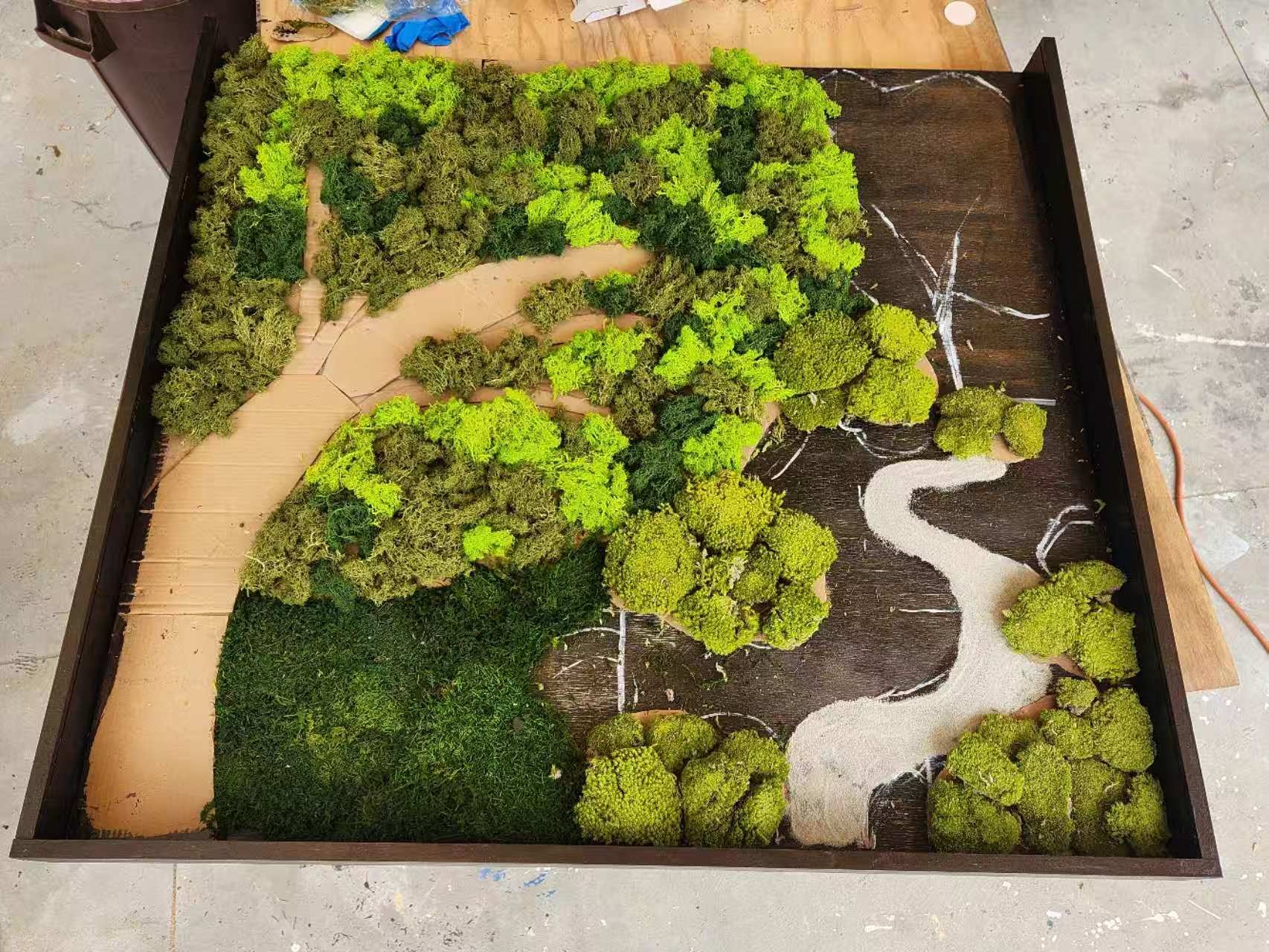
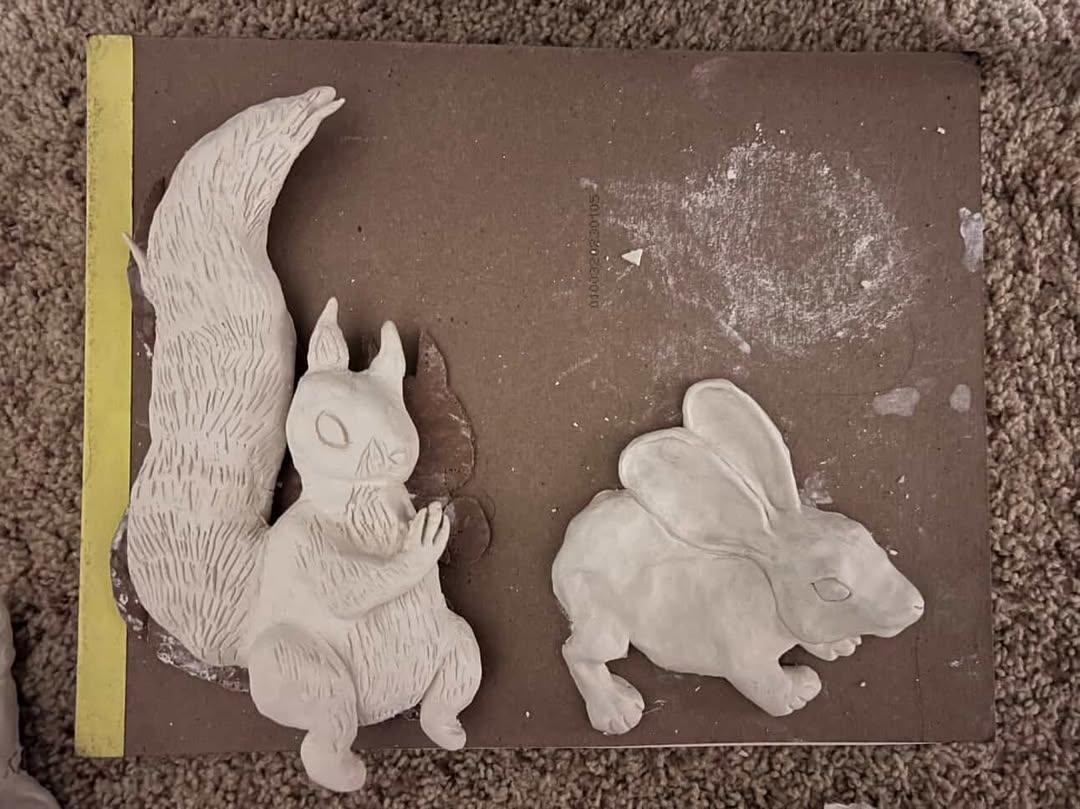
With no prior experience in creating a moss wall, Mikey was determined to learn through YouTube videos and with the help of two UCSB art majors. Alongside non-ELI team members, Yangyang Huang and Kayli Chiu, Mikey led the end-to-end process—from constructing the structural wood base to the selection and arrangement of preserved native textures. By introducing biophilic design to the campus, he aimed to bridge the gap between sustainability and student well-being, creating a space that invites the UCSB community to reconnect with nature through this student-led environmental initiative.The process of making the moss wall was complex, requiring a significant amount of trial and error. Using local moss, wood from the nearby Ellwood Mesa, and plexiglass, the team constructed two prototypes before finalizing the piece. From building the wood base to arranging the moss, the team carefully tested each step.
The final piece, a 4-by-4.2-foot moss wall installation, is now a permanent exhibition at the UCEN and reflects the resilience and biodiversity of Santa Barbara’s native forest ecosystems. Using native preserved mosses and other textures, it invites viewers to slow down, reconnect with nature, and reflect on the essential role green spaces play in daily life.
Thank you to the generous sponsors who made this project possible, including UCSB URCA ($ 1,000), the Environmental Studies Program Mini-Fund ($500), and the Environmental Leadership Incubator ($350).